
Can Vulnerability, Power, and Honesty Coexist in DEI Leadership?
Within Diversity, Equity, and Inclusion (DEI), leadership is a compelling, often unexplored intersection between vulnerability, power, and honesty. Can they coexist?
Do we have any power, or are we only vulnerable?
Vulnerability is a misunderstood trait – This article explores the intricate relationship between vulnerability and having institutional power. This is especially pertinent for DEI or HR leaders navigating within resistant organizations and having limited resources to build impactful cultural change. The question posed is not just rhetorical but a fundamental challenge to the conventional perception of DEI leadership strength.
Understanding Vulnerability in DEI Leadership
Historically, vulnerability has been perceived as a weakness, a trait incompatible with leadership, particularly in male-dominated environments. This view, however, is rapidly evolving. We argue that vulnerability is an untapped source of authentic strength, crucial for those managing DEI programs within resistant frameworks.
In DEI leadership, vulnerability is defined as the willingness and courage of leaders to acknowledge and share their own limitations, uncertainties, and emotional truths. This includes openly discussing their challenges and constraints, such as the under-resourcing of DEI programs, and being transparent about their own experiences and feelings.
In this setting, vulnerability is not seen as a weakness but rather as a strength that fosters authenticity, empathy, and deeper connections with others. It involves the readiness to engage in honest and sometimes difficult conversations, showing a human side often hidden in traditional leadership paradigms.
By embracing vulnerability, DEI leaders can create a more inclusive, supportive, and empowering environment, encouraging open dialogue and a culture where diverse perspectives are valued and heard. This approach challenges the conventional perception of infallibility in leadership, proposing instead that real power and influence come from the ability to be vulnerably honest and authentically engaged with the complexities of leading diverse and inclusive organizations.
Embracing vulnerability does not diminish your leadership; it can augment your ability to lead with empathy, resilience, and a deeper connection to your community. This shift in perspective is vital for DEI leaders who often face the daunting task of advocating for change in environments resistant to it.
Using Vulnerability and Honesty to Challenge DEI Under-Resourcing
Being vulnerable enough to challenge the under-resourcing of your DEI program is your superpower. One of the critical challenges that vulnerability addresses is the ability to have honest conversations with organizational leaders. The conversation that sparks real change happens at the intersection of power and vulnerability.
We must be willing to challenge the under-resourcing of DEI programs while showing why this impacts underrepresented groups. If we are afraid to be vulnerable, share our authentic stories, and address the existing challenges faced by diverse people within organizations, then we do those stakeholders a double injustice.
Embracing vulnerability in this context is not just about personal growth; it’s about redefining the norms of DEI leadership within corporate spaces. When leaders from underrepresented groups openly acknowledge their vulnerabilities, they challenge the notion that strength is synonymous with infallibility.
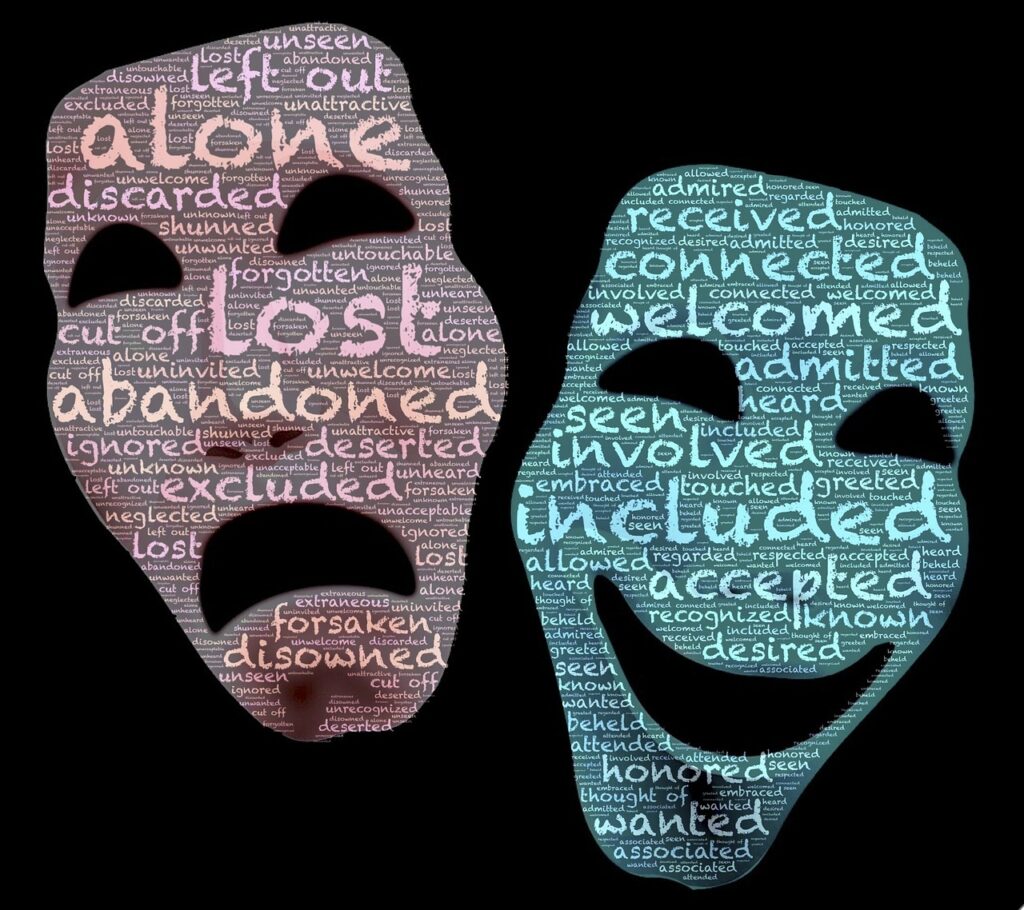
“Within the corporate power structure,
can we be honest?”
The Power of Honest Conversations in DEI Leadership
When paired with vulnerability, honesty becomes a formidable tool in the arsenal of DEI leadership. It’s about initiating fierce and bold conversations, yet deeply grounded in the reality of under-resourcing. These discussions require a delicate balance – they must be forthright enough to highlight the often-overlooked struggles of underrepresented groups, yet tactful enough to engage and not alienate decision-makers.
By speaking truthfully about the limitations and challenges faced by DEI programs, leaders can paint a vivid picture of the current landscape and the dire need for adequate resources. This approach is not about assigning blame but about fostering an understanding of the real impact of under-resourcing on both the organization and its diverse workforce.
Balancing Power and Vulnerability
One of the significant challenges DEI leaders face is maintaining a sense of power and authority while being open and vulnerable. This balance is delicate but essential. It is about redefining strength, not as an absence of vulnerability but as the ability to acknowledge it and use it as a tool for growth and connection.
Strategies for DEI leaders include creating safe spaces for open dialogue, encouraging feedback, and demonstrating empathy. These tools help foster environments where vulnerability is not seen as a liability but as a cornerstone of inclusive and effective leadership.
The Superpower of Vulnerability
Vulnerability, in this context, becomes a superpower. It is not about exposing weaknesses but about showing courage, the courage to ask for the resources needed, to admit gaps in knowledge, and to seek collaboration.
This approach is particularly effective in resistant organizations where the traditional command-and-control leadership model is no longer sufficient.
This shift can lead to more inclusive decision-making processes, as it encourages diverse perspectives and honest dialogue. It also has the potential to reshape organizational cultures, making them more welcoming and supportive of varied leadership styles and backgrounds.
For DEI leaders hesitant to display vulnerability, often constrained by limited resources or the fear of diminished authority, the message is unequivocal: Embracing vulnerability can emerge as your most formidable strength. Everyone needs to recognize the under-resourcing of DEI programs and comprehend its implications. The era of feigning infallibility in the face of resource constraints must end. Acknowledging these challenges openly fosters transparency and paves the way for genuine support and collaborative problem-solving.
A Clarion Call to Redefine DEI Leadership
This exploration is more than an academic exercise; it is a call to action. It challenges DEI leaders to redefine strength and power in leadership. Leaders can build more robust, empathetic, and inclusive environments by embracing vulnerability. This approach benefits the individual leader and transforms the entire organization, paving the way for a more diverse, equitable, and inclusive future.
In turn, this creates a more inclusive and empowering environment for all employees, particularly those from underrepresented groups who may feel that their voices are less heard.
Summary: The coexistence of vulnerability and power in DEI leadership is not just possible but essential. It’s time to celebrate and leverage the power of vulnerability in shaping the future of diversity leadership.