
Summary: When will we begin to have honest conversations about microaggressions in the workplace? For too long, Black and Brown professionals have been expected to remain silent in the face of disrespect, microinvalidation, and other forms of microaggression. This needs to stop. Microaggressions are a subtle but powerful form of racism that often goes unchecked. They can cause immense damage to our wellbeing, and they need to be called out.
Human Resources play a vital role in addressing microaggressions in the workplace. By working with managers to raise awareness of microaggressions and their impact, HR can help create a more inclusive environment for all employees. For minority professionals, it’s time for us to start speaking up bolder about microaggressors and their associated behavior. We deserve to be respected, and we deserve to work in an environment free from micro-racism.
The Impact of Unchecked Microaggression In The Workplace:
When microaggressions go unchecked, it can profoundly impact an individual’s mental health and wellbeing. Studies show that microaggressions can lead to increased levels of anxiety, depression, and even post-traumatic stress disorder (PTSD). For Black and Brown professionals, microaggressions can be especially harmful, as they can compound the effects of systemic racism.
We also need to clarify that microaggressive behavior doesn’t just happen to minority employees; it also happens to women and more specifically to women of color. In a recent article in Harvard Business Journal – Leaders Stop Rewarding Toxic Rockstars the article validates our view that HR must do more. The article states, “Most of us have known a high performer who is a bully at work or a leader who delivers results but creates a toxic environment. These “toxic rock stars” can ruin the workplace experience for most employees, but they’re particularly harmful to women of color. These individuals and the cultures that enable them are key factors driving women of color to leave their workplaces.”
Microaggressions need to be addressed head-on to create a more inclusive workplace for all employees. By working with managers to raise awareness of microaggressions and their impact, HR can help create a more inclusive environment for all employees.
In my latest episode of the Inclusion Unscripted podcast, I took this subject on full throttle. Listen to the episode here
Four Things HR Can Do to Address Microaggression and Microinvalidation:
1. Work with managers to raise awareness of microaggressions and their long-term impact.
Working with managers to raise awareness of microaggressions and their impact is crucial in creating a more inclusive workplace. By doing so, HR can help ensure that all employees feel respected and valued. Additionally, raising awareness of how microaggressions are displayed can help prevent them from occurring in the first place. HR can raise awareness by assisting managers in understanding what behaviors are considered microaggressive and why they are harmful. Additionally, HR can provide resources for having difficult conversations about microaggressions with Senior Leaders and Frontline employees.
2. Create policies and procedures to address microaggressions.
Creating policies and procedures to address microaggressions is another critical step in creating a more inclusive workplace. By having clear policies and procedures in place, HR can help ensure that microaggressions are dealt with swiftly and effectively. If we allow microaggression to go unchecked and without consequences, we are in essence condoning the behavior. If managers know there are no consequences for their bad behavior they will not make any corrections. HR is always quick to recommend disciplinary actions for employees, we have to be equally as quick to discipline our star managers who perpetuate microaggressive behaviors.
Additionally, having written policies and disciplinary procedures in place can help to prevent microaggressions from occurring in the first place. For example, HR can create policies and procedures by working with managers to identify what behaviors are considered microaggressive and outlining the appropriate course of action to take if such behavior occurs.
3. Provide training on microaggressions for all employees.
Providing training on microaggressions is another critical step in creating a more inclusive workplace. By providing employees with information on what microaggressions are and why they are harmful, HR can help create a more aware and understanding workforce. Additionally, training on microaggressions can help employees learn how to identify microaggressions when they occur and how to respond appropriately. HR must understand that microaggression training is not a one-and-done. Training and ongoing dialogue is the only way to prevent this behavior from festering in the organization.
4. Monitor microaggressions and take action when they occur.
Microinvalidation occurs when professionals of color are not taken seriously when they present instances of microaggression.
Monitoring microaggressions and taking action when they occur is another crucial step in creating a more inclusive workplace. By keeping an eye out for microaggressions, HR can help ensure that they are dealt with quickly and effectively. Additionally, taking action when microaggressions occur can send a strong message that such behavior is not tolerated in the workplace.
The Ball Is In Your Court HR
HR can help create a more inclusive workplace for all employees by taking these specific steps. By raising awareness of microaggressions, developing policies and procedures to address them, providing training on microaggressions, monitoring their occurrence, and establishing a clear path to discipline aggressors, HR can help create a workplace where everyone feels respected and valued.
About Margaret Spence
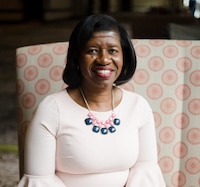
Margaret has spent over two decades as a transformational keynote speaker, author, business strategist, and visionary. She is known for her ability to help businesses achieve their goals and create sustainable change. Her business-advisory firm specializes in human resources compliance, talent development, diversity and inclusion, and women’s leadership development. Driven by a belief that inclusion is the key to solving the greatest challenge of our time, Margaret founded The Inclusion Learning Lab to help organizations create more inclusive work environments. Learn More About The Inclusion Learning Lab – visit https://inclusionlearninglab.com
Listen to Margaret’s Podcast – Inclusion Unscripted Live Every Friday at 2 pm EST or listen on your favorite Podcast App –